
Trending Blogs

Past Programs
Rimantas Pauliukonis

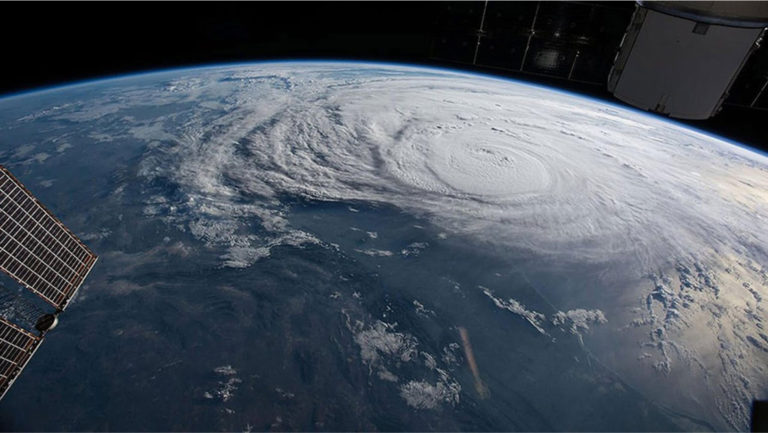
METHODOLOGY OF TROPICAL CYCLONE (TC) OBSERVATION FROM THE INTERNATIONAL SPACE STATION (ISS)

NASA’s Tropical Cyclone Experiment was performed by the TWAi science team in support of the CyMISS (Tropical Cyclone intensity Measurements from the ISS) project funded by CASIS (Center for the Advancement of Science in Space) which manages the ISS US National Laboratory for NASA. In order to accomplish this, the astronauts aboard the ISS had to receive detailed instructions on
Read More
Science
John DeVore

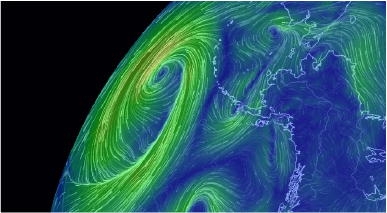
A SATELLITES VIEW OF WINDS ON EARTH

The major power source for winds on the earth is the sun, which heats the equatorial regions significantly more than the polar ones. What this means is that air in the equatorial regions is warmed while the air in the polar regions cools. The low-latitude warm air expands and rises (think of steam rising from a tea kettle) and heads toward the poles, creating what is termed a Hadley Cell. Meanwhile, the high-latitude (polar) air has cooled and become denser, sinks, and flows toward the equator, creating a Polar

Read More