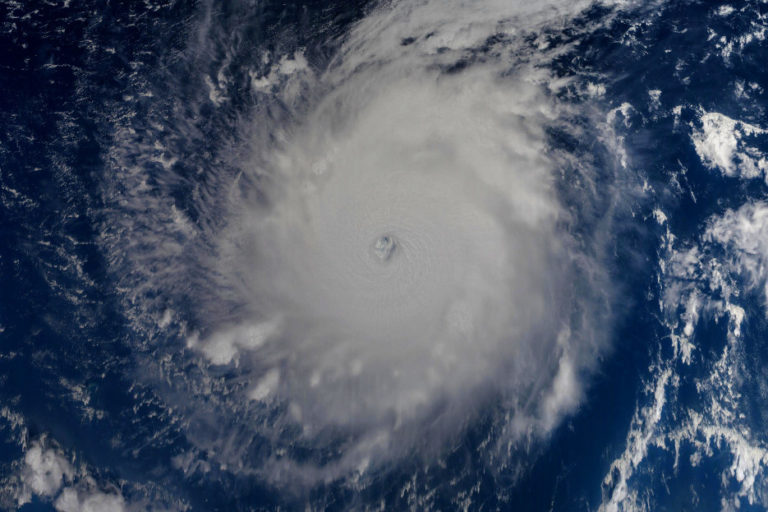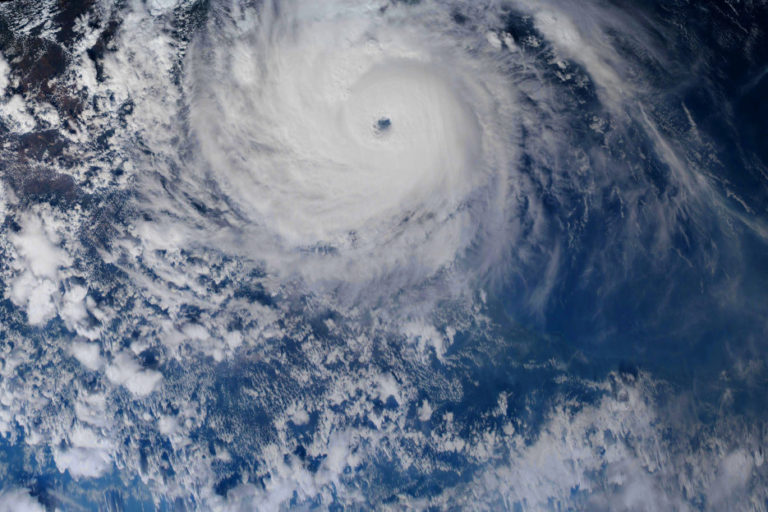
3D View of Typhoon Nock-ten from the ISS – December 24, 2016
With a central pressure of 915 hPa, Typhoon Nock-ten was the latest-forming typhoon of such intensity or stronger on record

With a central pressure of 915 hPa, Typhoon Nock-ten was the latest-forming typhoon of such intensity or stronger on record

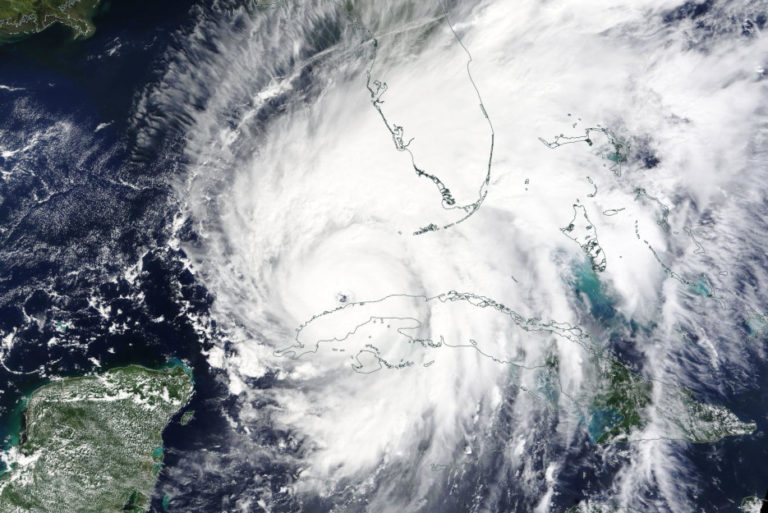
In the wake of Hurricane Ian many in the media were wondering if forecasters got it wrong while in the meteorology community many were writing about the need to deploy better tools and improve communications

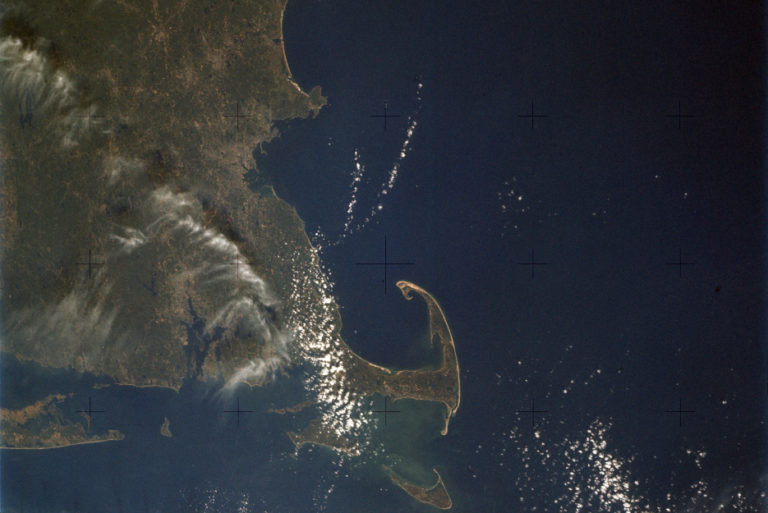
The first clear views of the Boston area from the S190A Skylab Multispectral Experiment were acquired on September 21, 1973

A chance to meet key members of the TWA team and learn more about the Hurricane Hunter Satellites

Typhoon Meranti was rated as a Category 5 storm on the Saffir-Simpson scale with sustained winds of about 299 kph (186 mph) earning it “super typhoon” status

Bringing our planet’s next generation of data for forecasting the weather

Hurricane Irma reached its peak intensity at about 06:00 GMT on September 6 with a central pressure low of 914 hPa tying for 7th place as the most intense Atlantic hurricane to make landfall

Hurricane Harvey was located in the Gulf of Mexico and was rated as a strong Category 3 storm with sustained winds of about 201 kph (125 mph)

Being able to get reliable wind data remotely from satellites helps our meteorologists provide better forecasts and warnings

Atsani was located in the western part of the North Pacific and had just been upgraded a Category 4 “Super Typhoon”

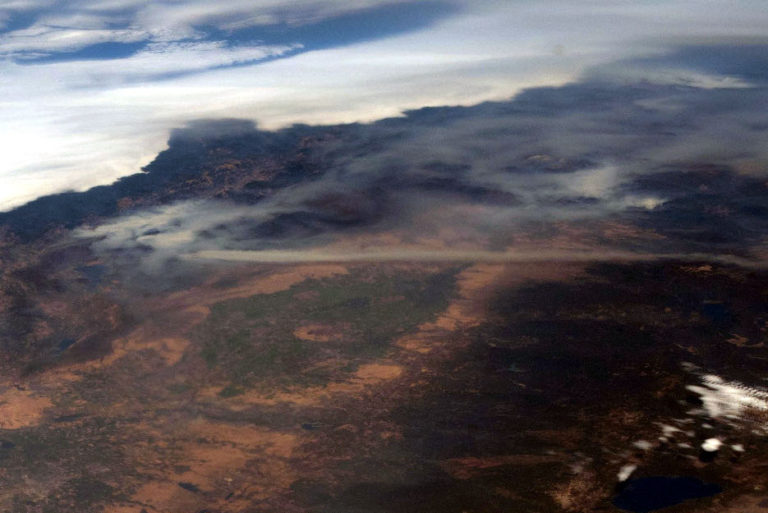
The Hurricane Hunter Satellite constellation offers the potential to spot wildfires especially in remote regions

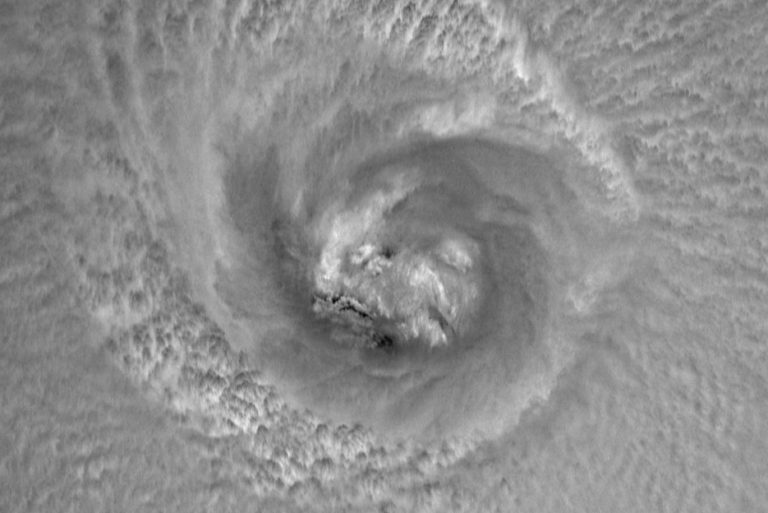
Currently, global NWP models used for forecasting have resolutions that are too coarse to adequately simulate sharp gradients in the eyewall, inner core, and rainbands of TCs required for improving intensity and structure predictions
© TWAi – 2023. All rights reserved. Developed by CodeStar Digital.